

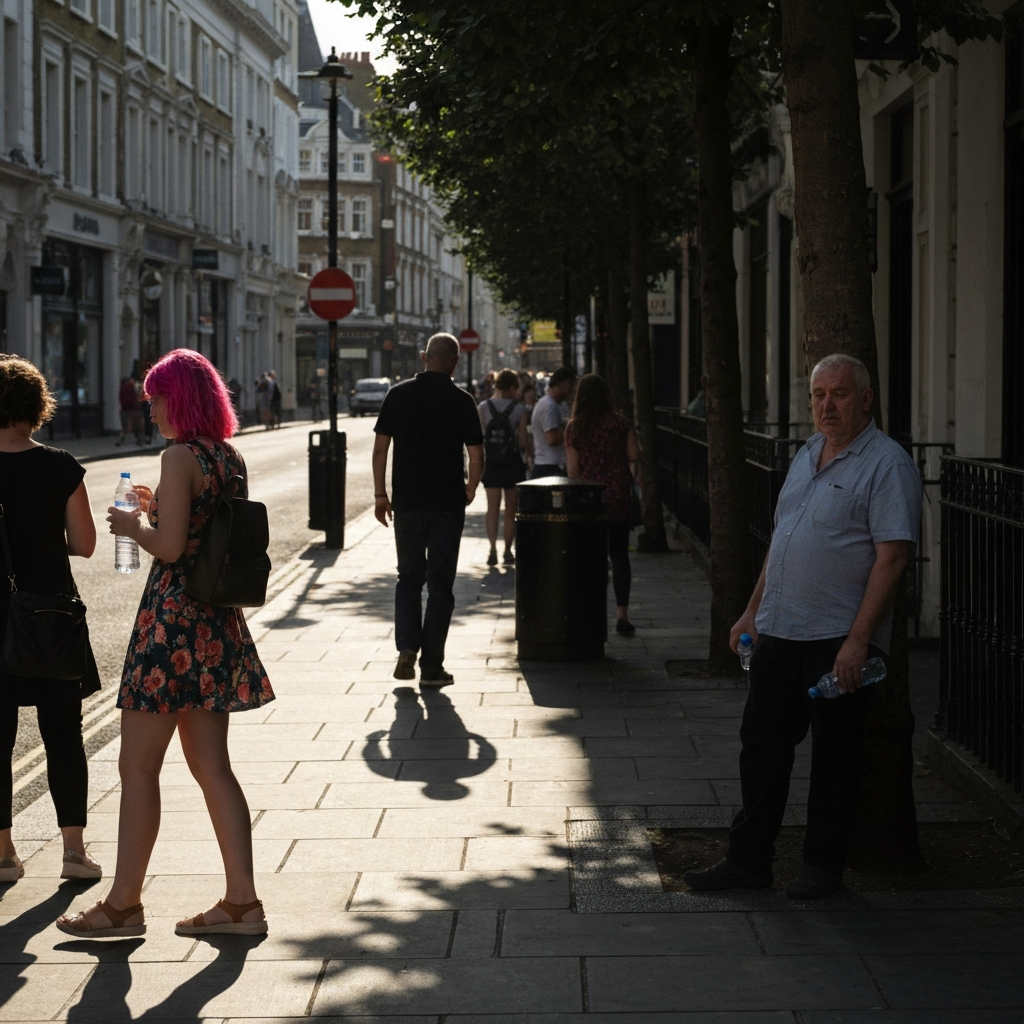
London’s climate is undergoing noticeable changes, with implications for all who call this city home. Understanding these shifts is essential for adapting and thriving in our evolving environment.
Warmer Winters and Hotter Summers
Recent patterns indicate that London is experiencing warmer, wetter winters and hotter, drier summers. These trends are expected to continue, leading to more frequent extreme weather events such as heatwaves and heavy rainfall. For instance, by the mid-21st century, an average summer day could be 3°C warmer, with summers becoming a fifth drier. Heatwaves are anticipated to be more common and intense. Conversely, winters are projected to be milder but wetter, with very heavy rainfall periods becoming more frequent.
Impacts on Daily Life
These climatic changes affect various aspects of daily life. Increased temperatures can lead to overheating in homes and workplaces, while heavier rainfall raises the risk of surface water flooding. Such conditions can disrupt transportation, strain healthcare services, and impact the overall well-being of residents.
Community Adaptation Efforts
In response, local authorities and communities are implementing measures to enhance resilience. Initiatives include improving green spaces to mitigate heat, upgrading drainage systems to handle increased rainfall, and promoting energy-efficient building practices. These efforts aim to reduce the impact of climate change and weather upon Londoners.
Staying Informed and Prepared
Staying informed about local weather forecasts and understanding the broader climate trends can help residents prepare for and adapt to these changes. Engaging with community programs and supporting local sustainability initiatives are practical steps individuals can take to contribute to a more resilient London.
By acknowledging and addressing these climatic shifts, we can work together to ensure that London remains a vibrant and livable city for generations to come.