

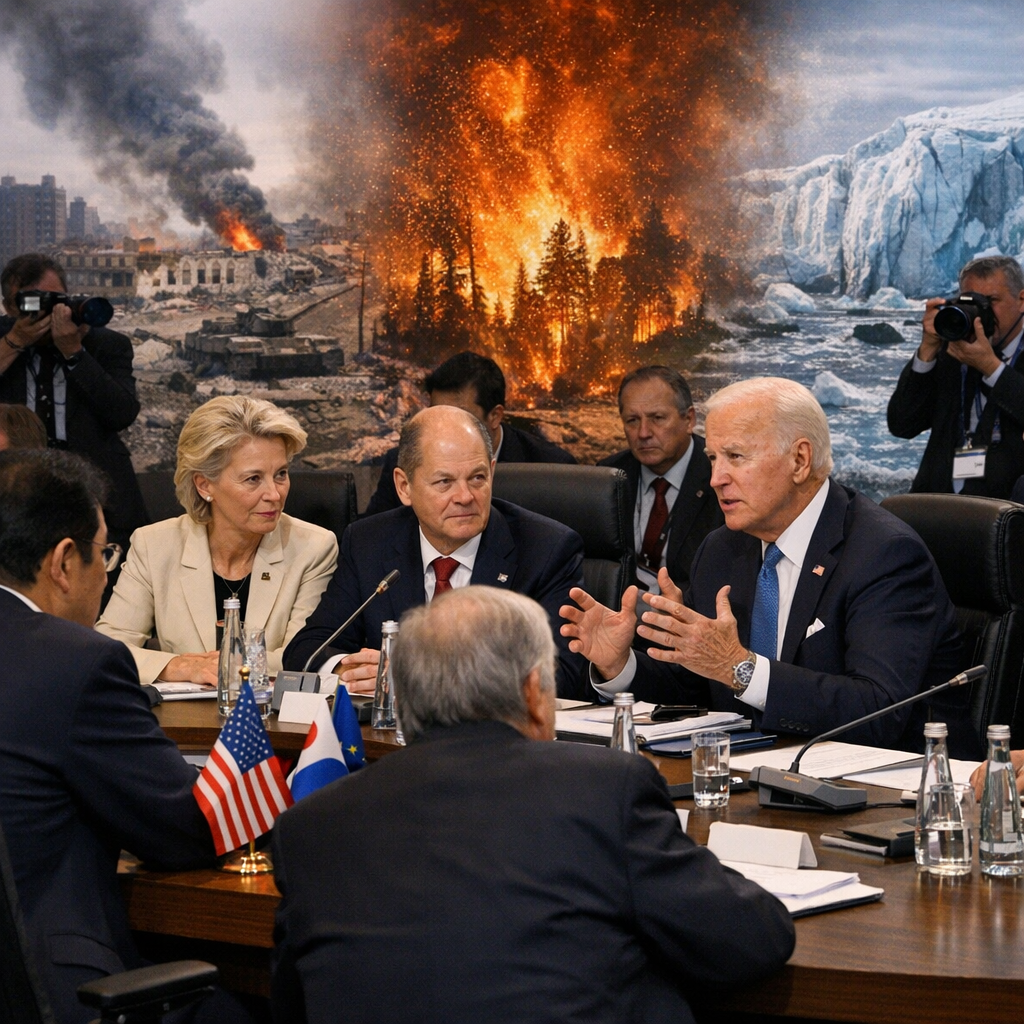
The global economy is currently navigating a complex landscape shaped by geopolitical tensions and environmental challenges. Recent conflicts in the Middle East have introduced significant uncertainties, affecting energy markets and inflation rates worldwide.
Impact of Middle East Conflicts on Global Growth
The ongoing war in the Middle East has disrupted global economic momentum, leading to a downward revision of growth forecasts. The International Monetary Fund (IMF) projects global growth to slow to 3.1% in 2026, a decrease from 3.4% in 2025. This slowdown is attributed to the conflict’s economic repercussions, including disruptions in oil markets and heightened inflationary pressures.
Resilience in the Face of Energy Shocks
Despite these challenges, certain economies have demonstrated resilience. The United States, for instance, is projected to grow at 2.3% in 2026, bolstered by robust consumer spending and investments in artificial intelligence technologies. However, the broader global outlook remains cautious, with the Organisation for Economic Co-operation and Development (OECD) highlighting that the energy supply shock from the Middle East conflict is testing the resilience of the global economy.
Climate Change: An Overarching Concern
In addition to geopolitical tensions, climate change poses a significant threat to economic stability. Scientists warn that 2026 could be an extreme year, with record-breaking ocean temperatures, intense heatwaves, and severe wildfires. These environmental challenges not only have direct economic costs but also divert attention and resources from other pressing global issues.
Policy Implications and the Path Forward
Addressing these intertwined challenges requires coordinated policy responses. Governments and international organizations are urged to implement measures that mitigate the economic impacts of geopolitical conflicts and invest in sustainable practices to combat climate change. The OECD recommends timely and targeted fiscal support, diversification of energy sources, and promotion of eco-friendly energy solutions to navigate the current crisis effectively.
In conclusion, while the global economy faces significant headwinds from geopolitical tensions and environmental challenges, strategic policy interventions and international cooperation can pave the way for a more stable and sustainable economic future.