

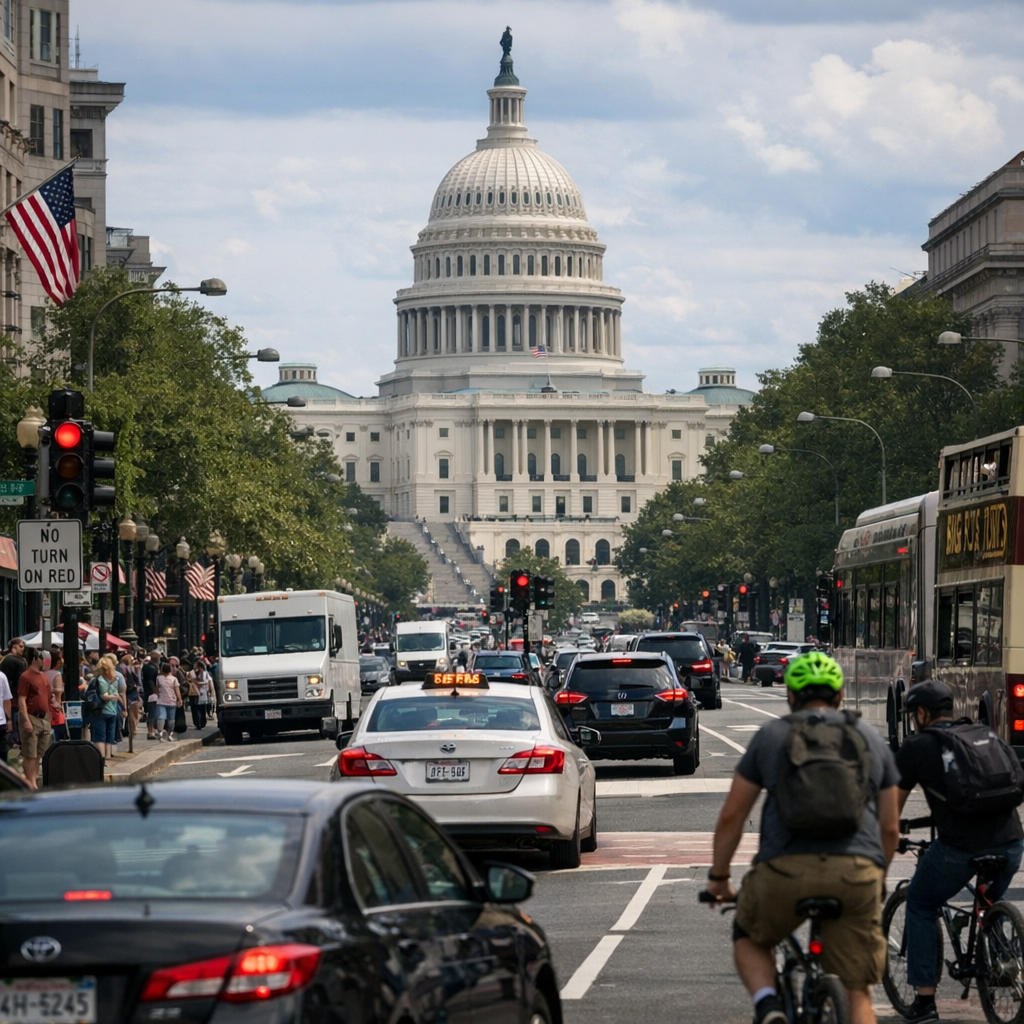
The United States is currently experiencing a dynamic period in both its political and economic spheres, with several significant developments unfolding.
Political Developments
Federal Government Shutdown
The federal government has entered an unprecedented shutdown, marking the longest in U.S. history. This impasse has led to disruptions across various sectors, including air traffic control, food assistance programs, and scientific research. The prolonged nature of the shutdown underscores deep-seated political divisions and raises concerns about governance and public service continuity.
Supreme Court Considers Major Trade Case
The Supreme Court is currently deliberating on a pivotal trade case that could redefine executive authority in economic policy. The outcome of this case is anticipated to have far-reaching implications for the administration’s approach to trade and its ability to implement tariffs unilaterally.
Economic Indicators
Economic Growth and Consumer Confidence
While the U.S. economy has shown signs of growth, certain indicators suggest underlying challenges. Consumer confidence has experienced a decline, reflecting public apprehension about economic stability. Additionally, the full impact of recent tariff implementations remains to be seen, with potential effects on various industries and international trade relations.
Labor Market Trends
The labor market continues to add jobs; however, there is a noticeable increase in long-term unemployment. This trend points to structural issues within the job market that may require targeted policy interventions to address.
Looking Ahead
As the U.S. navigates these complex political and economic landscapes, the interplay between policy decisions and economic outcomes will be crucial. Observers are keenly watching how these developments will influence the upcoming midterm elections and the broader trajectory of the nation’s governance and economic health.