

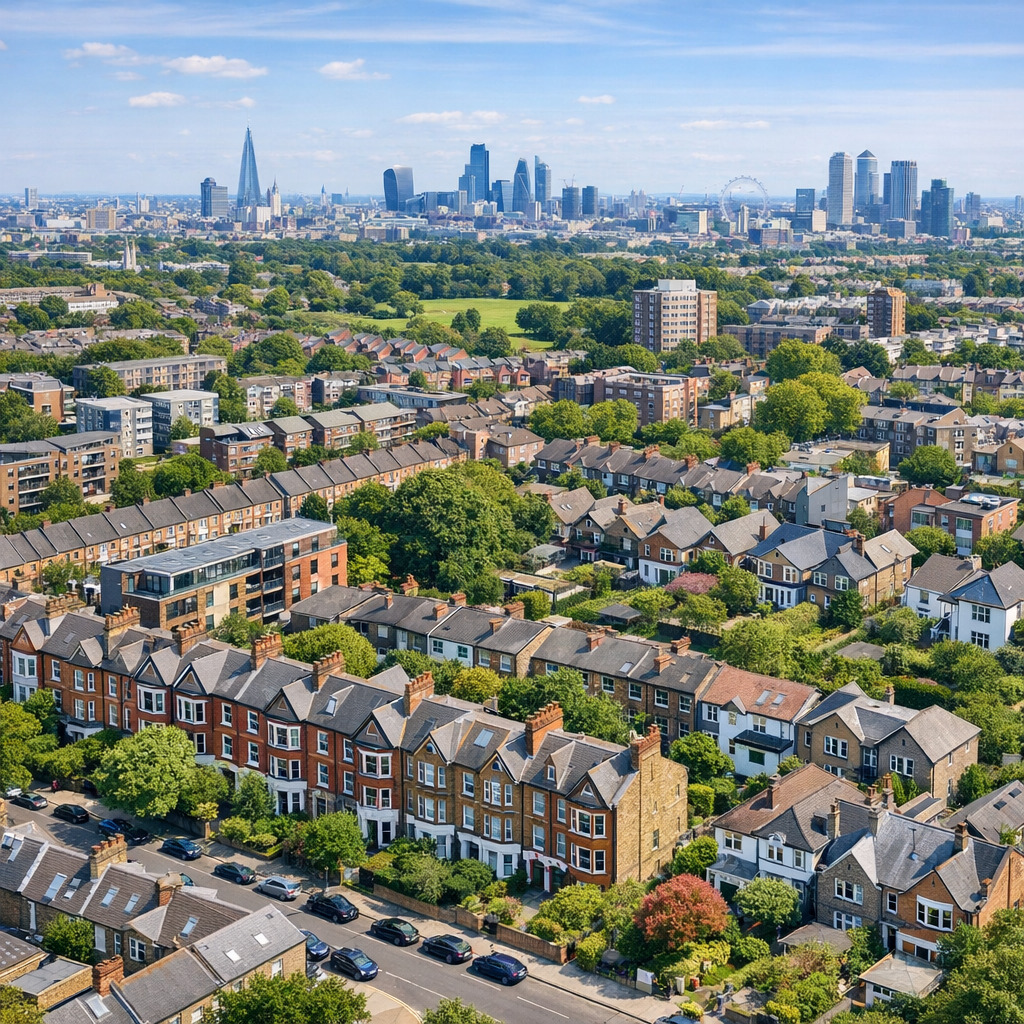
London’s housing crisis remains a pressing concern for residents across the city. With escalating property prices and a shortage of affordable homes, many Londoners find themselves grappling with housing insecurity.
Community Sentiments on Housing Affordability
Recent surveys indicate that a significant portion of the population views housing affordability as a critical issue. For instance, a study revealed that 54% of Londoners consider housing affordability one of the most important issues facing the capital. This sentiment underscores the widespread impact of the housing shortage on diverse communities.
Exploring the ‘Grey Belt’ for Development
In response to the housing shortage, there has been growing support for developing on ‘grey belt’ land—areas within the green belt that have been previously developed, such as old car parks and disused petrol stations. A survey found that 56% of Londoners are in favor of building new homes on these grey belt sites. This approach aims to balance the need for housing with environmental considerations by utilizing already-developed land.
Local Initiatives and Community Involvement
Community-led initiatives are also playing a pivotal role in addressing the housing crisis. Organizations like the City Bridge Foundation have launched funding policies focused on creating equitable housing solutions. Their ‘Standing with Londoners’ program, initiated in March 2025, aims to change systems that marginalize individuals while addressing immediate housing needs. Such initiatives highlight the importance of community involvement in developing sustainable solutions.
Challenges and the Path Forward
Despite these efforts, challenges persist. The rising cost of living, coupled with housing shortages, continues to strain many households. Reports indicate that one in 50 Londoners, including one in 23 children, is now homeless and living in temporary accommodation. Addressing these issues requires a multifaceted approach, including policy reforms, community engagement, and innovative development strategies.
As London navigates this complex landscape, the collective efforts of policymakers, community organizations, and residents will be crucial in creating a more inclusive and affordable housing environment for all.