

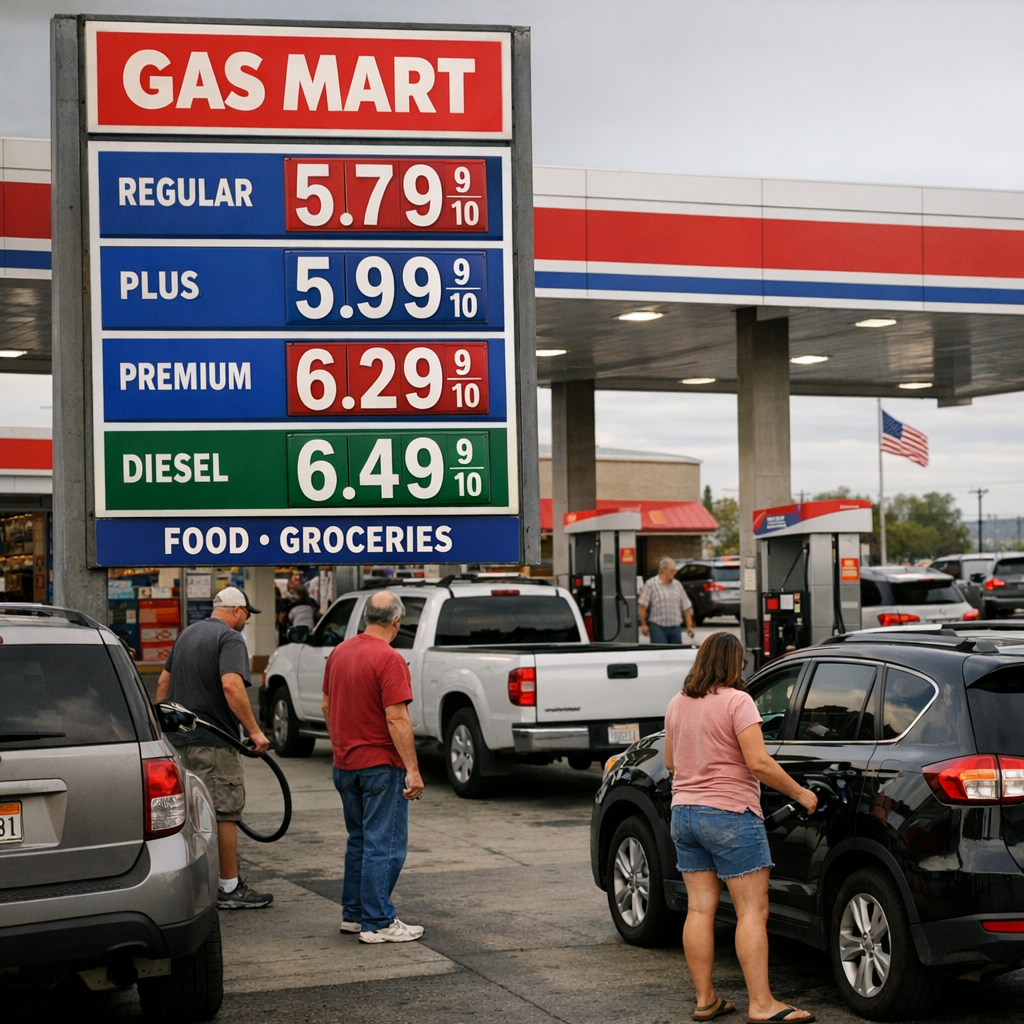
The United States is currently experiencing a complex economic environment marked by several significant challenges. Inflation has surged to 3.8% in April, driven in part by the ongoing conflict in Iran, which has pushed national average gas prices above $4.50 per gallon. This inflationary pressure has led to a decline in real wages, with prices outpacing wage growth for the first time in three years, thereby diminishing consumers’ purchasing power.
In response to these economic pressures, the Trump administration has proposed a series of measures aimed at stabilizing the economy. These include tax cuts, deregulation, and efforts to achieve energy independence. Additionally, the administration has endorsed a gasoline tax holiday to alleviate the burden of high fuel prices on consumers. However, this proposal has encountered resistance from some lawmakers concerned about its impact on federal funding.
Consumer sentiment has also been affected, with confidence levels reaching record lows as Americans grow increasingly pessimistic about the economy and their financial futures. Small business optimism has declined to its lowest point since before President Trump’s reelection, indicating widespread concern across various sectors.
Despite these challenges, the administration remains publicly confident, citing a booming stock market as evidence of economic strength. However, polling data indicates a significant disapproval of the administration’s handling of the economy, with a CNN poll showing 70% disapproval among Americans.
As the U.S. navigates these economic headwinds, the effectiveness of the administration’s policy responses will be crucial in determining the trajectory of the nation’s economic health in the coming months.